SUZHOU, CHINA – IMPERIAL SILK WEAVING
Song Brocade
The silk artform woven for Song dynasty emperors, now carried in your hands.
The Fabric of Emperors
Song brocade (Songjin) originated in Suzhou during the Song dynasty over 1,000 years ago. It was the favorite silk of emperors, scholars, and the imperial court — not for opulence, but for its quiet sophistication. Unlike other brocades, Song brocade is distinguished by refined geometric patterns, subtle color transitions, and an almost weightless drape.
The hallmark of Song brocade is its impossible softness for something so ornate. Each centimeter can contain hundreds of silk threads in up to 8 colors, yet it feels like a whisper against the skin. At Tsatlee, we collaborate with a small atelier in Suzhou.
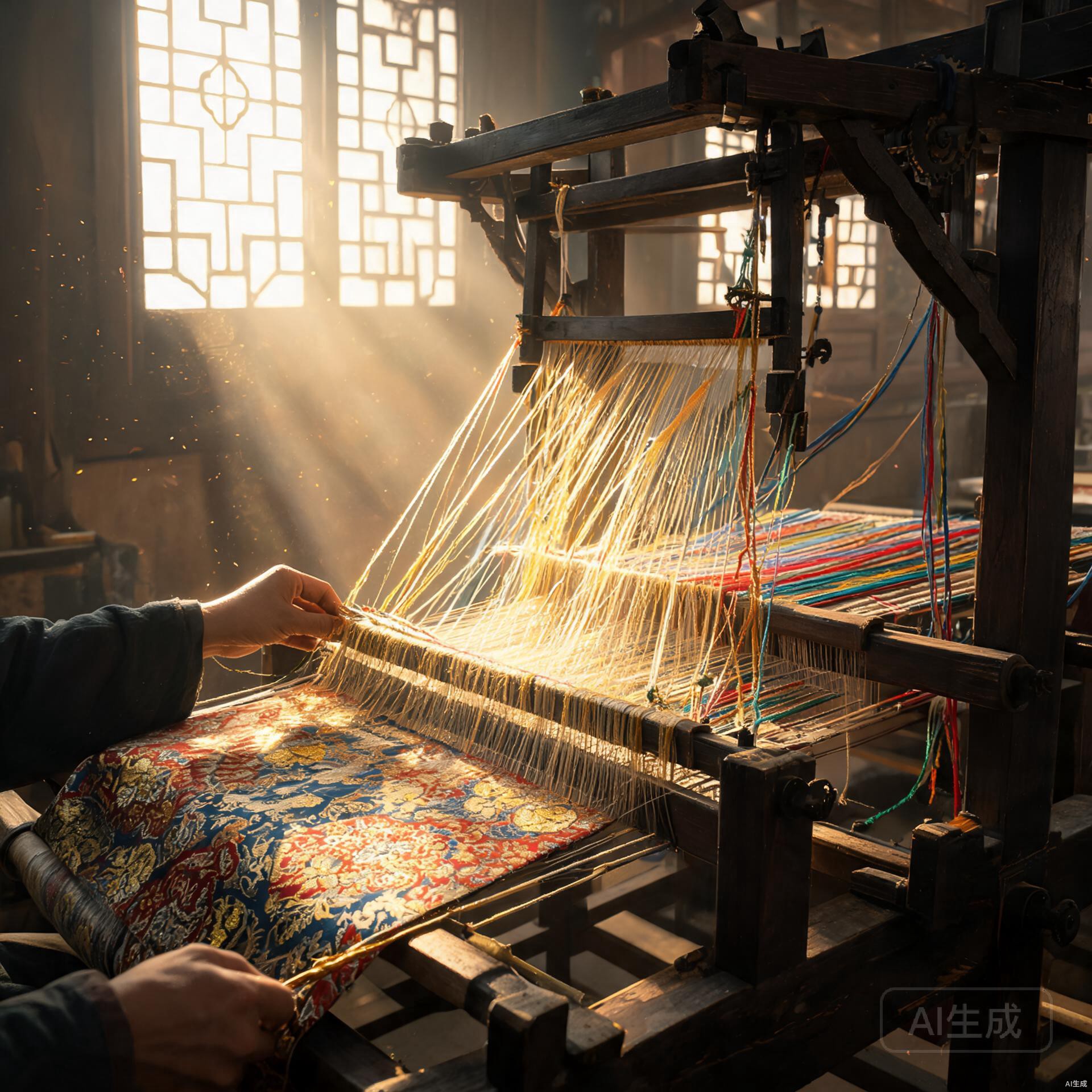
THE CRAFT
A single day of weaving produces only 5-10cm of Song brocade. The pattern is encoded in a complex warping system called huaben — essentially a proto-software punched into silk cords — set up before a single thread is laid. It can take weeks to prepare the loom.
THE COLOR
Song brocade uses a restrained palette — muted golds, sage greens, soft ivories, deep navies — achieved with natural dyes on mulberry silk. When light hits the surface, the silk patterns subtly shift in tone, a quality called hidden luster that cannot be replicated by machine.
THE PATINA
Like fine wine, Song brocade ages beautifully. A piece carried for years becomes more luminous than when new — central to Tsatlees philosophy of slow luxury.
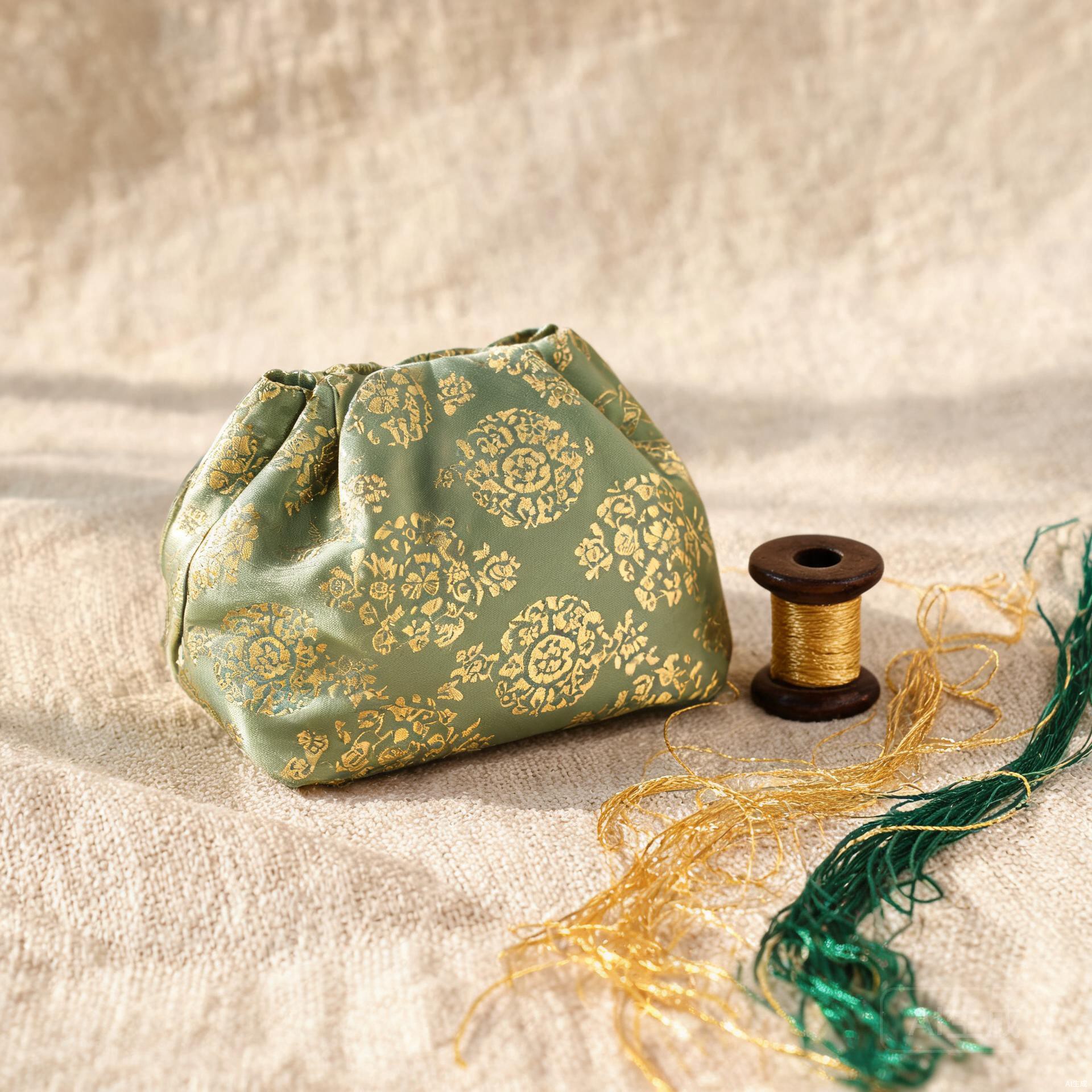
Song brocade is not about shouting luxury. Its about the quiet confidence of wearing something that took a master artisan weeks to create — and no one else will ever know but you.